Ethiopian Doro Wat
The festive chicken stew of Ethiopia. Doro wat is Ethiopia's slow-cooked chicken stew of onions, berbere and spiced butter, served on spongy injera. Its story, its spices and a recipe.
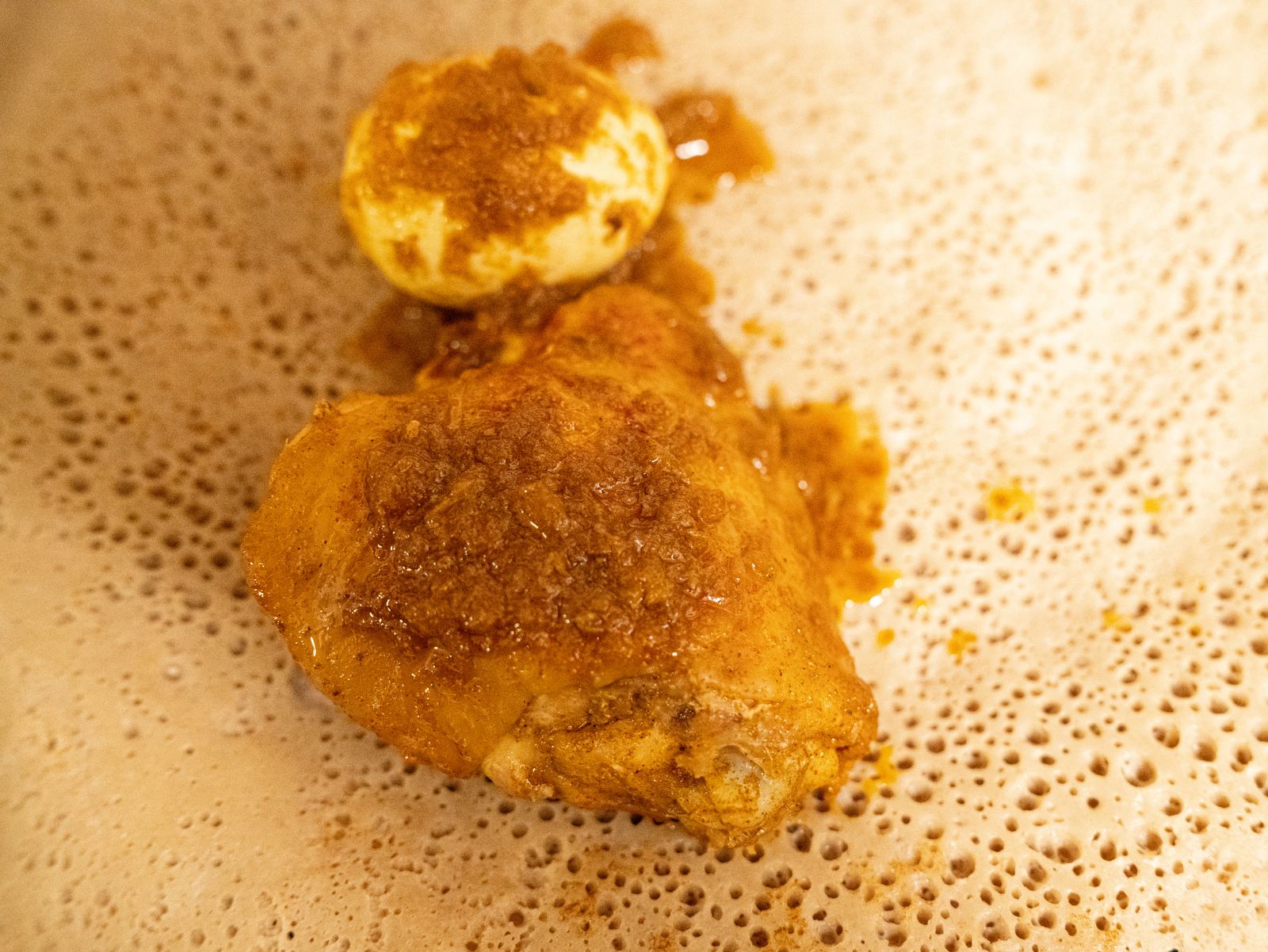
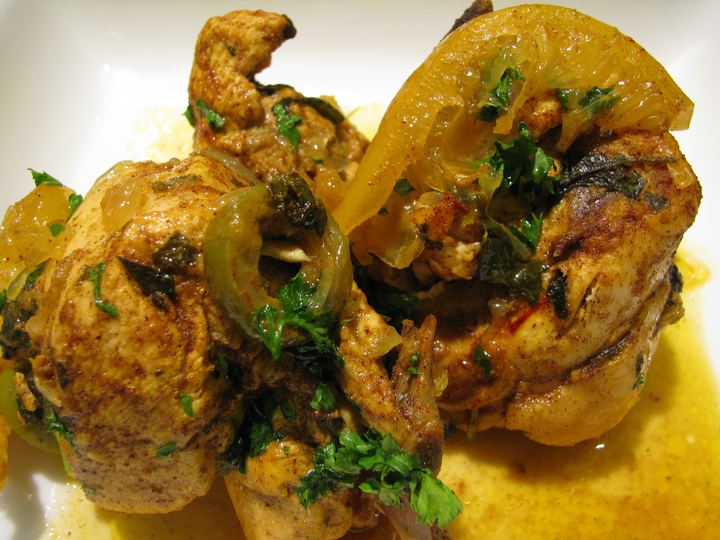
Doro wat on injera: Edsel Little, CC BY-SA 2.0
A stew for the big days
In Ethiopia, doro wat is the dish that tells you it is a holiday. Many Ethiopian Orthodox Christians keep long fasts with no meat, eggs or dairy, and doro wat is a classic way to break them, above all at Genna, Ethiopian Christmas, and Fasika, Easter. Families may spend most of a day making it, and a cook's doro wat is often a point of pride.
Wat simply means stew, and Ethiopian cooking has many of them, from lentil misir wat to beef sega wat. Doro, chicken, is the grandest.
Video: How to Make Doro Wat | Hawa at Home | Food Network (Food Network), embedded from YouTube.
The onion secret
A proper doro wat starts with a mountain of red onions, finely chopped and cooked slowly in a dry pot with no fat at all. They give up their water, shrink and turn jammy before any butter goes in. This step, which can take close to an hour, gives the stew its thick, glossy body without flour.
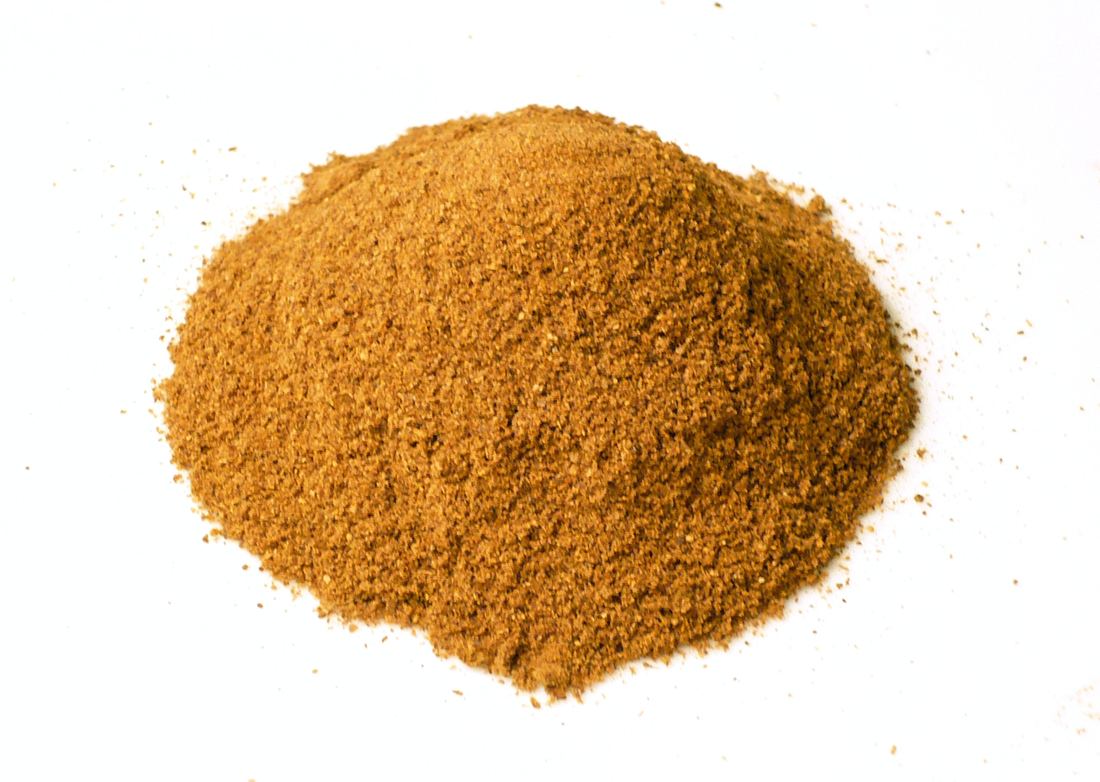
Next comes niter kibbeh, butter clarified and infused with spices such as fenugreek, cardamom and the herb besobela, and then berbere, a brick-red blend built on dried chiles with garlic, ginger, fenugreek, coriander and warm spices. Chicken pieces simmer in this sauce, and peeled hard-boiled eggs, scored so the sauce can seep in, go in at the end.
Injera, plate and spoon
Doro wat is ladled onto injera, a large, soft, slightly sour flatbread with a bubbly surface. It is made from teff, a tiny grain native to the Ethiopian highlands, and its batter is fermented for a few days. Diners tear off pieces of extra injera to pinch up stew, and the bottom layer, soaked in sauce, is eaten last.
It is common to share from one big platter, and offering someone a hand-fed mouthful, called gursha, is a gesture of affection. Ayib, a fresh mild cheese, is a cooling side, and greens like gomen often join the spread.
Doro wat is a labor of love even in its preparation. The chicken is traditionally cut into twelve pieces, and the pieces are washed and soaked in lemon water before cooking. Each family has its own berbere, sometimes ground at home from sun-dried chiles, and the spice level can range from gently warm to fiercely hot. The stew is rich, so a small portion goes a long way, and leftovers are said to taste even better the next day.
Make Ethiopian Doro Wat at home
Ingredients
- 3 lb (1.4 kg) red onions, very finely chopped (a food processor helps)
- 6 tbsp niter kibbeh (90 g), or ghee plus 1/2 tsp ground cardamom and 1/4 tsp ground fenugreek
- 3 to 4 tbsp berbere, to taste
- 5 garlic cloves, minced
- 1 tbsp grated fresh ginger
- 8 bone-in chicken pieces, skin removed (about 2.5 lb / 1.1 kg)
- Juice of 1 lemon
- 1 1/2 cups water or chicken stock (360 ml)
- 6 eggs, hard-boiled and peeled
- Salt
- Injera or flatbread, to serve
Method
- Rub the chicken with the lemon juice and 1 tsp salt and set aside.
- Put the onions in a large heavy pot with no oil. Cook over medium-low heat, stirring often, for 30 to 45 minutes until they have collapsed and darkened to a soft, jammy paste. Add a splash of water if they start to catch.
- Stir in the niter kibbeh and cook 5 minutes. Add the berbere, garlic and ginger and cook 5 more minutes, stirring, until deep red and fragrant.
- Add the water or stock and bring to a simmer. Add the chicken, turning to coat, then cover and simmer gently for 40 to 45 minutes until tender and cooked through to the bone (165 F / 74 C).
- Score each egg lightly all over with a knife and add to the pot. Simmer 10 minutes more, spooning sauce over the eggs.
- Taste and adjust salt. The sauce should be thick enough to cling to the chicken.
- Serve on injera with an egg and a piece of chicken in each portion.
- Wikipedia: Ethiopian cuisine
- Wikipedia: Wat (food)
- Eats History: Doro Wat and Injera, Ethiopia's Royal Dish Through the Ages
Facts on this page were checked against these sources.
- Doro wat on injera: Edsel Little, CC BY-SA 2.0
- Berbere spice blend: Badagnani, CC BY 3.0
Text written by Intercontinental Chef.