Japanese Ramen
From noodle stalls to instant noodles. How ramen grew from Chinese noodle soup into Japan's obsession, how Momofuku Ando invented instant ramen in 1958, and a shoyu ramen recipe.
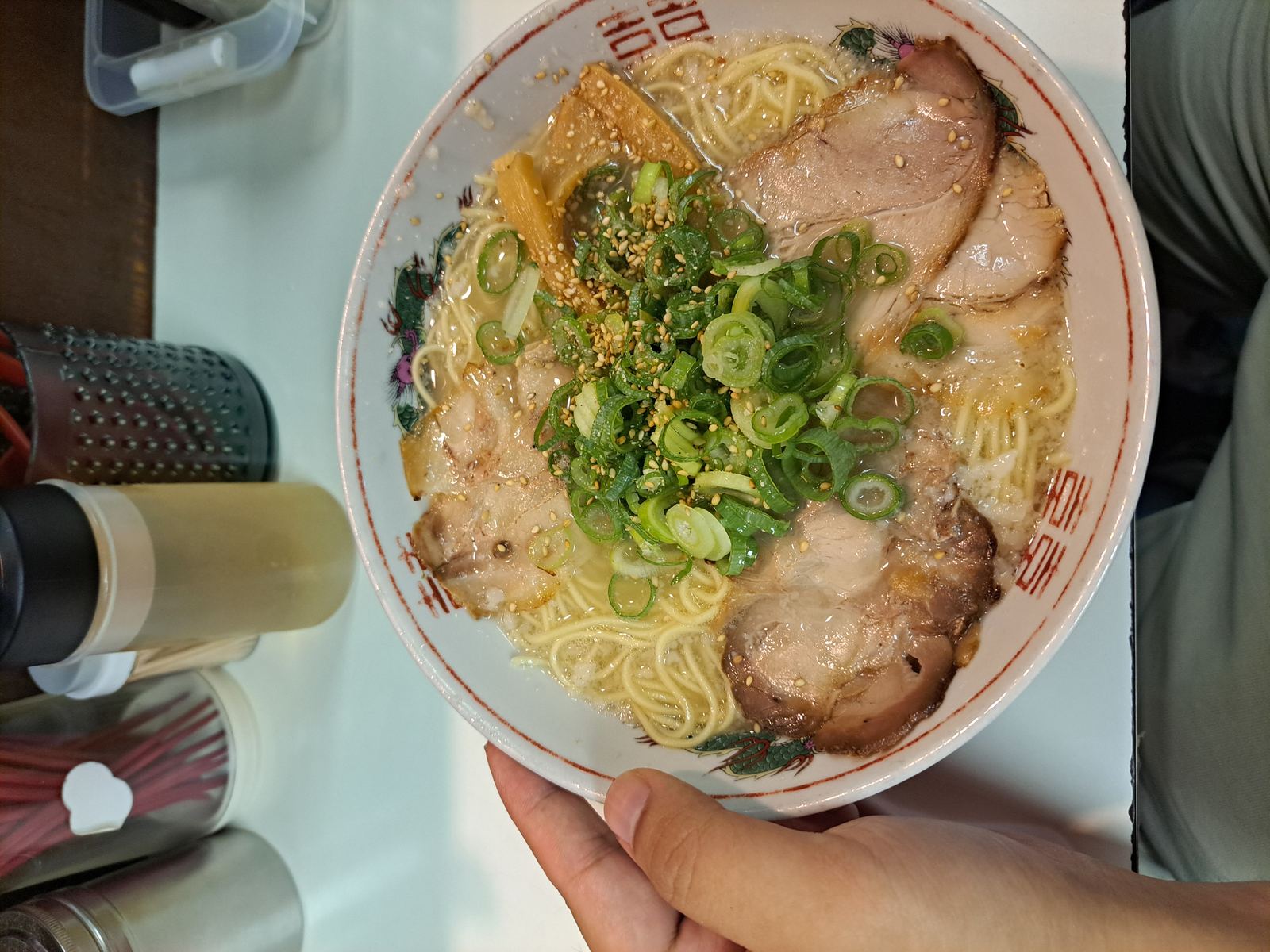
A bowl of ramen with pork: GiveMeMollusks, CC0
From Chinese noodles to a Japanese icon
Ramen arrived in Japan with Chinese cooks and traders in port cities like Yokohama in the late 1800s. Early bowls were called shina soba, Chinese soba. A Tokyo shop called Rairaiken, opened in Asakusa in 1910, is often named as one of the first places to sell it to a mass Japanese audience.
What sets ramen noodles apart is kansui, alkaline mineral water mixed into the wheat dough. It makes the noodles springy, gives them a yellow tint and keeps them firm in hot broth. After World War II, cheap imported wheat and street stalls turned ramen into everyday food, and regional styles multiplied.
Video: How Momofuku Ando invented instant ramen (Vox), embedded from YouTube.
Instant ramen was invented in a backyard shed in 1958
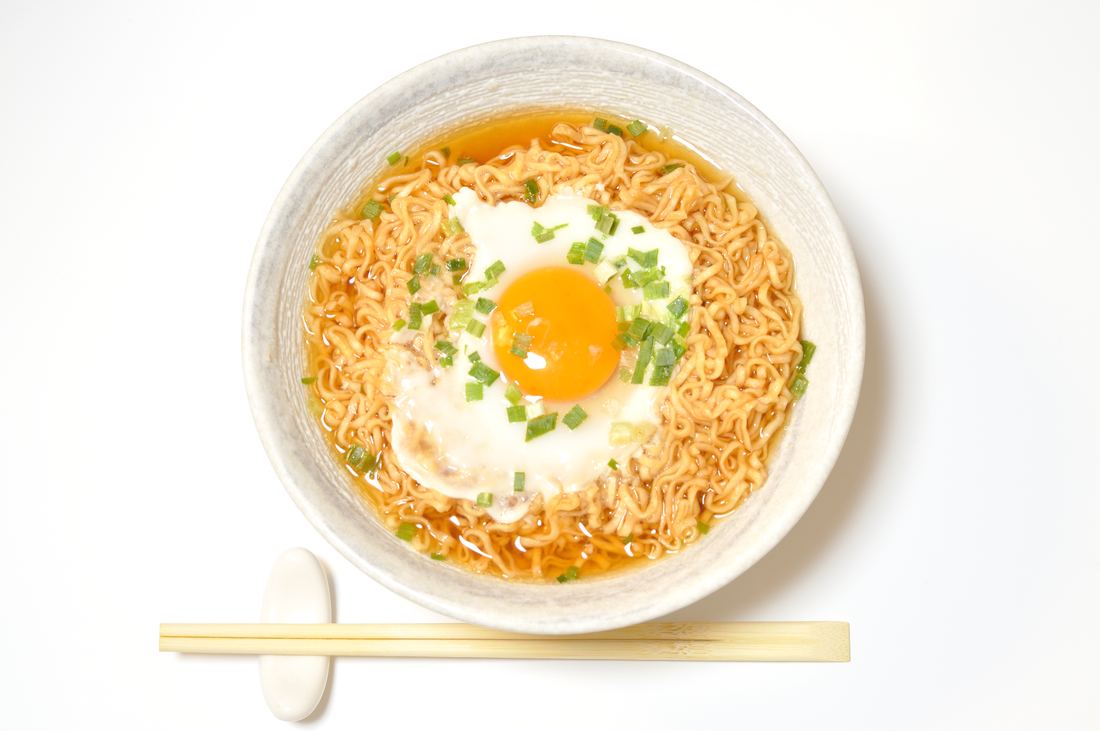
Momofuku Ando invented instant ramen (Chicken Ramen) in 1958 by flash-frying noodles; Cup Noodles followed in 1971.
YouTube @IntercontinentalChef (launching soon). Photos in this Short: Ramen Bowl 2.jpg - Shisma (CC BY 4.0) via Wikimedia Commons | Jin Ramen bowl (spicy) 20210702 001.jpg - Mobius6 (CC BY-SA 4.0) via Wikimedia Commons | Instant noodle balls.jpg - Fumikas Sagisavas (CC0) via Wikimedia Commons | Multi-flavor vegetable instant noodles.jpg - Fumikas Sagisavas (CC0) via Wikimedia Commons | 安藤百福肖像.jpg - 日本網 (Public domain) via Wikimedia Commons | Laboratory of Momofuku (2).jpg - Mr.ちゅらさん (CC BY-SA 4.0) via Wikimedia Commons | Nissin Chicken Ramen 001.jpg - Ocdp (CC0) v
The 1958 invention
Momofuku Ando, a businessman living in Osaka, watched people queue in the cold for ramen after the war and wanted a noodle that anyone could make at home with just hot water. Working in a shed behind his house, he experimented for about a year. The breakthrough came from flash-frying seasoned, steamed noodles in hot oil, which dried them and left tiny holes that rehydrate in minutes.
His company, Nissin, launched Chicken Ramen on August 25, 1958. It was considered a luxury at first, priced above fresh noodles, but it caught on fast. In 1971 Ando followed with noodles in a cup. Today instant noodles are eaten around the world on a staggering scale, more than 120 billion servings a year, and two museums in Japan celebrate his invention.
The four big styles
Shoyu ramen, seasoned with soy sauce, is the Tokyo classic. Shio ramen uses salt for a clear, light broth. Miso ramen, linked to Sapporo, is hearty enough for Hokkaido winters and often comes with corn and butter. Tonkotsu, from Fukuoka on Kyushu, is a creamy white pork bone broth boiled for many hours and served with thin, firm noodles.
How to eat it
Ramen is meant to be eaten quickly while the noodles are at their best. Slurping is normal: it cools the noodles and carries aroma. Classic toppings include chashu pork, a soft-boiled marinated egg, menma bamboo shoots, nori and green onion. Many shops let you order extra noodles, called kaedama, to drop into leftover broth.
Ramen culture runs deep: some shops sell tickets from vending machines, and many have only a counter and a handful of stools.
Make Japanese Ramen at home
Ingredients
- 2 eggs
- 4 tbsp soy sauce (60 ml), divided
- 2 tbsp mirin (30 ml)
- 4 cups chicken stock (950 ml), preferably homemade
- 1 inch (2.5 cm) piece ginger, sliced
- 2 garlic cloves, smashed
- 2 green onions, whites and greens separated
- 1 tsp toasted sesame oil
- 8 oz (225 g) cooked pork shoulder or roast chicken, sliced
- 2 portions fresh ramen noodles (about 10 oz / 280 g)
- 1 sheet nori, cut in half
- Optional: bamboo shoots, corn, chili oil
Method
- Boil the eggs for 6 1/2 minutes, chill in ice water and peel. Marinate in 2 tbsp soy sauce, the mirin and 2 tbsp water for at least 2 hours.
- Simmer the stock with the ginger, garlic and green onion whites for 20 minutes. Strain and keep hot.
- In each serving bowl, put 1 tbsp soy sauce and 1/2 tsp sesame oil. This is the tare, the seasoning base.
- Warm the sliced pork in a dry pan until lightly browned.
- Cook the noodles in plenty of boiling water following the package time, usually 1 to 3 minutes. Drain well.
- Pour the hot broth into the bowls and stir. Add the noodles and lift them a few times so they untangle.
- Top with pork, halved eggs, nori, sliced green onion tops and any extras. Serve at once.
- Nissin: History
- Nissin: Our Founder
- World Instant Noodles Association: Global demand
- Yokogao Magazine: The Complete History of Ramen
Facts on this page were checked against these sources.
- A bowl of ramen with pork: GiveMeMollusks, CC0
- Instant chicken ramen with egg: Ocdp, CC0
- Short photos: Ramen Bowl 2.jpg - Shisma (CC BY 4.0) via Wikimedia Commons | Jin Ramen bowl (spicy) 20210702 001.jpg - Mobius6 (CC BY-SA 4.0) via Wikimedia Commons | Instant noodle balls.jpg - Fumikas Sagisavas (CC0) via Wikimedia Commons | Multi-flavor vegetable instant noodles.jpg - Fumikas Sagisavas (CC0) via Wikimedia Commons | 安藤百福肖像.jpg - 日本網 (Public domain) via Wikimedia Commons | Laboratory of Momofuku (2).jpg - Mr.ちゅらさん (CC BY-SA 4.0) via Wikimedia Commons | Nissin Chicken Ramen 001.jpg - Ocdp (CC0) via Wikimedia Commons | Cooked Nissin Chicken Ramen by ume-y.jpg - ume-y (CC BY 2.0) via Wikimedia Commons
Text written by Intercontinental Chef.